Japandi Interior Design: A Beginner’s Guide
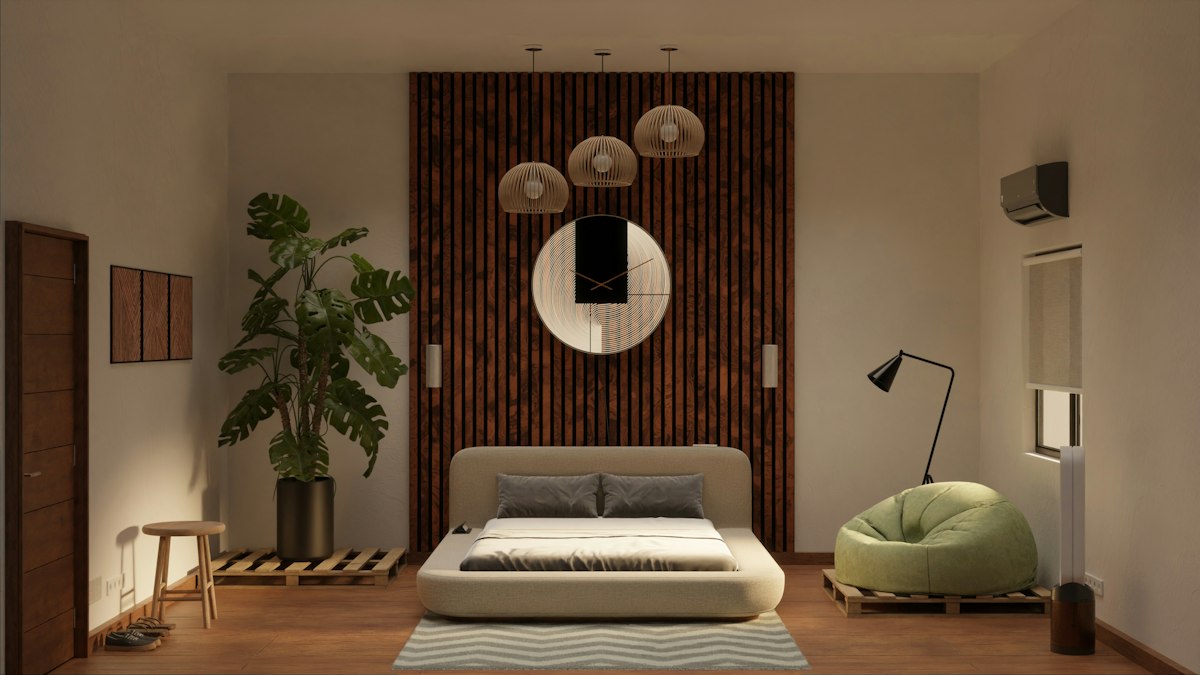
This Japandi interior design guide explains how to combine Japanese minimalism with Scandinavian warmth to create rooms that feel calm, functional, and effortlessly modern. Japandi has become one of the most requested looks in homes, rentals, and property marketing because it works in almost any space — from compact city apartments to large family houses. Below you'll find the core principles, the colour palettes and materials that define the style, plus room-by-room ideas you can apply this weekend.
What Is Japandi Interior Design?
Japandi is a hybrid design style that merges two traditions: Japanese minimalism and Scandinavian comfort. The name is a blend of "Japanese" and "Scandi," and so is the aesthetic. From Japan it borrows restraint, negative space, low furniture, and a deep respect for natural materials. From Scandinavia it takes warmth, soft textiles, practical function, and an emphasis on light.
The result is a look that feels quieter than pure Scandinavian design and warmer than strict Japanese minimalism. Where a Scandinavian room might feel bright and airy, a Japandi room feels grounded and serene. Where a Japanese room might feel austere, Japandi adds a wool throw, a linen cushion, or a softly glowing lamp.
So what is Japandi style in practice? It's a room with clean lines, a limited palette, honest materials, and very few objects — but every object is chosen with care. Nothing is decorative for the sake of it. This is why the style has become so popular: it photographs beautifully, it ages well, and it appeals to a wide range of tastes. It also happens to be one of the easiest looks to maintain, because there is simply less to tidy.
Japandi Style Essentials
Before you buy a single item, it helps to understand the three principles that hold the style together.
Clean lines and uncluttered spaces
Japandi rooms are edited, not filled. Surfaces stay largely clear, furniture sits on simple legs, and silhouettes are straight or gently curved rather than ornate. The Japanese concept of ma — meaningful empty space — is central here. Empty space isn't wasted space; it's what allows the eye to rest and the room to breathe.
Natural materials and tactile finishes
Texture does the work that pattern would normally do. Think raw oak, woven linen, chunky wool, matte ceramic, bamboo, and honed stone. Surfaces should feel good to touch, and finishes should be matte rather than reflective. A little imperfection — a hand-thrown vase, a visible wood grain — is a feature, not a flaw.
Furniture and decor with a clear purpose
Every piece should earn its place. Ask yourself: does this serve a function, or does it simply fill a gap? A single well-made chair beats three mediocre ones. A ceramic bowl that holds fruit is better than a shelf of ornaments. This "quality over quantity" approach is what separates a genuinely calm Japandi home from a room that merely looks sparse.
Japandi Color Palette
The Japandi color palette is built on warm neutrals. Start with a base of white, cream, sand, beige, taupe, or greige — the grey-beige hybrid that sits perfectly between cool and warm. These tones cover walls, large furniture, and flooring, creating a soft, continuous backdrop.
Layer in earthy accents for depth: muted olive, clay, soft terracotta, warm brown, and charcoal. These work best in small doses — a cushion, a ceramic lamp base, a framed print, a single chair. Charcoal or soft black is particularly useful for grounding a pale room, but use it sparingly.
Contrast is where beginners often go wrong. High-contrast black-and-white schemes belong to other styles. In Japandi, contrast should be gentle and gradual, so the room reads as one calm composition. A simple rule: roughly 60% warm neutral base, 30% mid-tone wood and textile, 10% darker accent.
Best Materials for a Japandi Home
Materials are the soul of this style, so choose them deliberately.
- Wood: light oak, ash, and pale walnut are ideal. Keep finishes matte or oiled rather than high-gloss lacquered.
- Linen and cotton: for curtains, bedding, and upholstery. Slight slubs and natural wrinkles are part of the charm.
- Wool: throws, rugs, and cushions add the Scandinavian warmth that stops the room feeling cold.
- Bamboo and rattan: lightweight, sustainable, and perfect for lampshades, chairs, and storage baskets.
- Stone and concrete: honed limestone, travertine, or matte concrete for tables, splashbacks, and bathroom surfaces.
- Ceramics and paper: hand-thrown bowls, stoneware mugs, and paper or fabric lampshades that diffuse light softly.
What to avoid is just as important: glossy lacquer, chrome and polished metal, plastic finishes, heavy ornamentation, and busy patterns. If a surface reflects like a mirror or shouts for attention, it probably doesn't belong.
Japandi Furniture and Layout Tips
Japandi furniture ideas revolve around low profiles and honest proportions. Sofas sit close to the floor with simple legs. Beds are low platform styles. Coffee tables are wide and slim. Dining chairs have slim frames and woven or leather seats. Nothing is oversized, overstuffed, or heavily tufted.
Layout matters as much as the pieces themselves. Pull furniture slightly away from walls where you can, and leave generous walkways. Resist the urge to fill every corner — negative space is what makes a Japandi room feel open and intentional.
Storage should be quiet and built in. Closed cabinets, low sideboards, and woven baskets hide the everyday clutter that would otherwise break the calm. If you can see it, it should be worth seeing.
How to Style a Japandi Living Room
A Japandi living room design starts with a low sofa in linen or wool, ideally in oatmeal, greige, or soft charcoal. Add a slim wooden coffee table, one textured rug, and a floor lamp with a fabric shade. Layer a chunky throw and two or three cushions — no more.
Then stop. Instead of filling shelves with accessories, choose one or two statement pieces: a large ceramic vessel, a single branch in a tall vase, a framed abstract print in muted tones. Grouping objects in odd numbers and varying heights keeps things interesting without adding clutter.
Lighting is the finishing touch. Swap cool white bulbs for warm ones around 2700K, use dimmers where possible, and add at least two sources of low light — a floor lamp and a table lamp — so the room never relies on a single harsh ceiling fixture. Linen or cotton curtains in a tone close to the walls will soften daylight and make the whole space feel calmer.
Japandi Bedroom and Bathroom Ideas
For a Japandi bedroom design, keep the palette even more restrained than the rest of the home. A low wooden bed frame, white or oatmeal linen bedding, and a single piece of art above the headboard is often all you need. Choose blackout or lightly lined curtains in a neutral tone, and keep bedside tables clear apart from a lamp and one small object.
Bathrooms translate beautifully into this style. Think spa-like simplicity: honed stone or matte tile, a wooden stool or towel ladder, stoneware accessories, and a single trailing plant. Warm, dimmable lighting and a wooden or bamboo bath mat complete the effect. Avoid chrome-heavy fittings and bright white gloss in favour of brushed brass, matte black, or natural stone.
Consistency across rooms is what makes a home feel designed rather than decorated. Carry the same wood tone, the same two or three accent colours, and the same material language from the living room into the bedroom and bathroom.
Japandi for Home Staging and Real Estate Photos
Japandi home staging is one of the most effective tools in a seller's kit. Because the style relies on neutral palettes, clean sightlines, and minimal furniture, rooms read as larger, brighter, and more move-in ready. Buyers can imagine their own life in the space rather than being distracted by someone else's taste.
To stage in this style, start by removing roughly a third of what's currently in the room. Replace heavy or dated furniture with simple, low-profile pieces in light wood and neutral upholstery. Add natural texture through a wool rug, linen curtains, and a few ceramic accents. Keep every surface at least 70% clear.
For photography, position the camera at a lower height to emphasise the openness of the layout, and shoot in soft daylight with the curtains drawn back. The muted palette also means photos need very little editing, which keeps listings looking authentic. If you're preparing a property remotely or want to test a look before committing, our staging and design services can help you plan the transformation. You can also explore more styling and market trends on the Arch.AI blog.
FAQ
What makes Japandi different from Scandinavian design?
Japandi is warmer and more grounded. It keeps Scandinavian simplicity and functionality but adds Japanese restraint, darker earthy accents, lower furniture, and a stronger sense of calm and negative space.
What colors work best in Japandi interiors?
Warm neutrals such as white, cream, sand, beige, taupe, and greige form the base, with muted accents like olive, clay, warm brown, or charcoal used sparingly for depth.
Is Japandi good for small spaces?
Yes. Its low-profile furniture, open layout, and light neutral palette make small rooms feel larger, brighter, and more organised — which is why it's so popular in apartments.
How do you stage a home in Japandi style?
Declutter first, then furnish with neutral, low-profile pieces, add natural textures such as linen and wool, and keep decor to a minimum so the space feels spacious and inviting.
What are the must-have Japandi decor items?
Simple wood furniture, linen textiles, a wool throw or rug, ceramic accents, warm dimmable lighting, and one or two carefully chosen natural objects are enough to create the look.
Start Your Japandi Room Today
Japandi interior design isn't about buying a specific set of products — it's about editing what you already own, choosing natural materials, and letting empty space do some of the work. Start with one room, remove more than you think you should, and add warmth through texture and light rather than colour and clutter.
Want to see the result before you move a single piece of furniture? Try Arch.AI's AI room design to visualise your space in Japandi style in seconds, then get in touch if you'd like help refining the plan.
Ready to design your space?
Try AI-powered room design and transform your photo into a beautifully staged room in seconds.
Try It Now