Best Interior Design Styles for Modern Apartments 2026
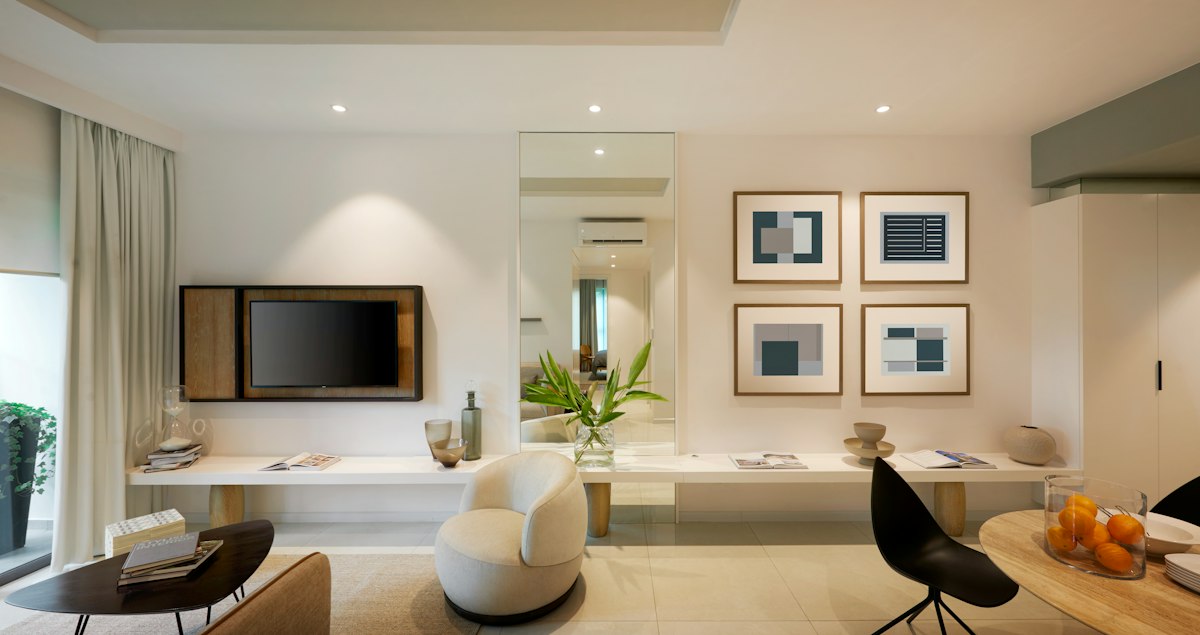
The best interior design styles for modern apartments in 2026 are calm, tactile, and quietly expressive — designed to make compact rooms feel generous without feeling generic. Warm minimalism, Japandi, organic modern, quiet luxury, contemporary minimalism, and warm modern are leading the conversation, each offering a different balance of simplicity, texture, and comfort. Whether you rent a studio or own a two-bedroom, the goal is the same: a space that works hard, looks considered, and feels unmistakably yours.
What Defines Modern Apartment Style in 2026
Modern apartment style in 2026 is defined by three core themes: calm, function, and personalization. Open-plan living has matured past the all-white, all-grey phase. Instead, designers are layering softness into efficiency — rounded silhouettes, natural materials, and lighting that changes with the time of day.
Why warm minimalism is replacing cold minimalism
For over a decade, minimalism meant stark surfaces, sharp edges, and a palette drained of warmth. In 2026, that has flipped. Warm minimalism keeps the visual discipline of minimalism — few objects, clear surfaces, intentional placement — but adds depth through texture. Limewash walls, boucle seating, brushed oak, and matte ceramics create interest without clutter. The result reads as serene rather than sterile, which matters enormously in smaller footprints where every surface is visible at once.
How modern apartment style differs from traditional home design
Traditional home design tends to build atmosphere through symmetry, ornament, and defined rooms. Apartments demand the opposite: flexibility, multi-use zones, and furniture that earns its floor space. Modern apartment interiors prioritize vertical storage, dual-purpose pieces, and lighting layered across several sources rather than one central fixture. Where a house can absorb a formal dining room, an apartment turns that footprint into a workspace, a dressing zone, or hidden cabinetry.
Best Interior Design Styles for Modern Apartments in 2026
These six styles dominate apartment design ideas for 2026 — and each one adapts well to compact, high-traffic living.
Warm minimalism: calm with texture
Warm minimalism keeps the discipline of minimalism but replaces cold surfaces with tactile ones. Limewash walls, boucle seating, brushed oak, and matte ceramics create depth without clutter. In apartments, the style works because it reduces visual noise while still feeling soft and lived-in.
Japandi: clean lines and a cozy feel
Japandi apartment style merges Japanese restraint with Scandinavian comfort. Think low-profile furniture, warm timber, linen textiles, and a deliberately limited palette. The magic of Japandi in an apartment is its respect for negative space: fewer objects, each one chosen well. Practical moves include a platform bed with integrated storage, a slim console in place of a bulky sideboard, and one statement branch or ceramic vessel instead of a crowded shelf. Japandi also ages beautifully, which makes it a safe long-term choice for renters who move often.
Organic modern: natural texture and softness
Organic modern apartment design softens contemporary architecture with curves, stone, and living finishes. Rounded sofas, travertine tables, chunky wool rugs, and sculptural lighting replace hard geometry. In small apartments, organic modern works because the shapes are visually forgiving — a curved armchair occupies the same footprint as a boxy one but reads far lighter. Pair a plaster-effect wall with a rattan pendant and a nubby linen sofa, and the room feels grounded even in a new-build tower.
Quiet luxury: refined and high-end
Quiet luxury apartment decor avoids logos and obvious extravagance in favor of material quality. The signals are subtle: full-grain leather, heavy drapery with proper pleats, honed marble, and joinery that fits perfectly. In an apartment, quiet luxury is best deployed as a focal gesture rather than a full renovation — a single marble coffee table, a cashmere throw, tailored curtains that reach the floor. It is an affordable-luxury mindset as much as a budget one: invest in the three objects you touch daily, and keep everything else restrained.
Contemporary minimalism: small-space clarity
Contemporary minimalism remains the most reliable route to a spacious-feeling apartment. The rules are simple: a disciplined palette, flush surfaces, integrated lighting, and storage that disappears. Choose handleless joinery, wall-mounted units that expose the floor, and furniture on visible legs so light travels underneath. This is also the easiest style to maintain, making it ideal for busy households and rental properties where durability matters.
Warm modern: livable and layered
Warm modern interiors sit between minimalism and eclecticism. They keep clean architectural lines but add caramel leather, olive upholstery, textured plaster, and warm metals. Where pure minimalism can feel cold in apartments with limited natural light, warm modern holds its own — the palette does the emotional work. Layer a terracotta rug over pale oak flooring, add a brass floor lamp, and introduce one deep-toned accent chair to anchor the room.
Top Color Palettes for 2026 Apartments
Color is where most apartment schemes succeed or fail. In 2026, the strongest palettes are earthy, low-contrast, and built from a single cohesive family rather than competing accents.
- Earthy neutrals: warm white, oatmeal, mushroom, and sand form a base that reflects light without turning yellow.
- Clay and terracotta: adds warmth to north-facing rooms and pairs naturally with timber.
- Olive and moss: the grounding green of the year, especially effective on cabinetry or a single feature wall.
- Caramel and cognac: rich, tonal, and flattering in leather or velvet upholstery.
- Muted blue: a cool counterpoint that keeps warm schemes from becoming heavy.
Why soft greens and dark wood tones are trending
Soft greens connect interiors to nature, which is exactly what apartment dwellers with limited outdoor access are seeking. Dark wood tones — walnut, smoked oak, espresso — provide contrast that makes pale walls feel intentional rather than unfinished. Together they create a calm, forest-adjacent mood that photographs well and feels sophisticated rather than trendy.
How to choose a cohesive color family for compact rooms
Pick one dominant neutral, one mid-tone, and one deep accent — then repeat them across walls, textiles, and hardware. A single continuous palette makes small rooms read as larger because the eye is not interrupted. If you are unsure how a shade will behave in your apartment's specific light, test it digitally first using our AI wall color tool before committing to paint.
Space-Saving Layout Ideas for Small Apartments
Multi-functional furniture and modular seating
The best small apartment interior design ideas revolve around furniture that performs two jobs. A storage ottoman doubles as a coffee table and guest seating. A dining table that folds flat against the wall frees the center of the room. Modular sofas reconfigure for movie nights or hosting. Choose pieces with slim arms and exposed legs — they take up less visual weight than chunky silhouettes even when the dimensions are similar.
Open-plan zoning with rugs, lighting, and shelving
In a studio or open-plan layout, define zones without building walls. A rug anchors the living area; a pendant or arc lamp creates a distinct pool of light over the dining zone; a low, open shelving unit marks the boundary between work and rest. Keep at least one zone deliberately empty so the apartment has breathing room.
Storage-first design for visually clean rooms
Clutter is the fastest way to shrink a room. Build storage into the architecture wherever possible: full-height wardrobes, under-bed drawers, bench seating with lift-up lids, and closed cabinets instead of open display. The goal is not an empty room but a composed one — everything visible should be there on purpose.
Best Materials and Finishes for a Modern Look
Natural stone, textured plaster, and limewash walls
Flat paint is out; surfaces with subtle movement are in. Limewash and textured plaster create a soft, clouded depth that changes through the day, hiding minor wall imperfections common in rental apartments. Honed travertine, limestone, and terrazzo bring that same organic quality to floors, splashbacks, and side tables.
Dark timber, aged metals, and matte surfaces
Matte finishes dominate 2026 because they reduce glare and reflect less visual noise. Brushed brass, aged bronze, and blackened steel replace polished chrome. Walnut and smoked oak add richness without the high-shine formality of traditional glossy timbers.
How tactile materials add depth without clutter
Texture is the small-space designer's secret weapon. When a room uses only one finish, it feels flat and requires more objects to create interest. Introduce three or four contrasting textures — smooth plaster, chunky boucle, grainy oak, cool stone — and you can leave surfaces almost bare while the room still feels layered and complete.
Apartment-Friendly Decor Trends to Use in 2026
Statement lighting and sculptural accents
Lighting is the most renter-friendly upgrade available. Swap a builder-grade flush mount for a paper lantern, a ribbed glass pendant, or an oversized floor lamp with a sculptural base. In apartments, where you often cannot change ceilings or walls, lighting delivers the biggest transformation for the least spend.
Textured textiles, curtains, and layered rugs
Layer a flatweave rug beneath a plusher wool or jute rug to add softness and define zones. Hang curtains from ceiling height to make windows and walls appear taller. Mix linen, wool, and cotton in neutral tones for warmth that never looks busy.
Low-clutter styling that still feels warm and lived-in
The 2026 balance is 'curated but comfortable.' Style in odd numbers, group objects by material, and leave negative space around your favorite pieces. A single ceramic vase, one stack of books, and a candle will always look better than a fully populated shelf.
Virtual Staging Tips for Real Estate and Rentals
Whether you are a homeowner looking to sell or a professional in real estate, virtual staging is now a core marketing tool — and style choices directly affect how quickly a listing performs.
How to make listings feel larger and more appealing
Choose styles that open up the frame: light-toned flooring, low-profile furniture, and a restrained palette. Avoid heavy dark sofas that swallow the room, and always keep sightlines to windows clear. Consistency matters too — the same style across every photograph makes a listing feel like one cohesive home rather than a collection of rooms.
Best styles for staging modern apartments digitally
Organic modern and contemporary minimalism are the strongest performers. Both feel current, broad-appeal, and easy for buyers to imagine living in. Japandi also works well for smaller units, while quiet luxury suits premium listings where material quality is the selling point. If you want to explore style direction for a specific property, the team behind our virtual staging services at Arch.AI can help scope staging that matches the target buyer.
High-intent design choices that help buyers visualize the space
Include the details that signal 'move-in ready': a defined dining zone, a believable work-from-home corner, and lighting that suggests evening ambiance. These cues help buyers mentally place their own furniture — the moment that turns a browser into a viewing request.
FAQ
What is the most popular interior design style for modern apartments in 2026?
Japandi, organic modern, and warm minimalism are among the strongest styles because they balance simplicity, comfort, and visual calm. All three work especially well in compact footprints.
What colors work best in a modern apartment in 2026?
Earthy neutrals, caramel, muted blue, olive, clay, and warm white are strong choices for creating a modern but inviting look. Building the scheme from one cohesive color family keeps small rooms feeling open.
How do you make a small apartment look modern and spacious?
Use light layering, multi-functional furniture, hidden storage, and a limited color palette to keep the space open and uncluttered. Curtains hung at ceiling height and rugs that define zones will also make rooms read larger.
Is minimalism still relevant for apartment design in 2026?
Yes, but it is softer and warmer than before, with more texture, natural materials, and personal details. Warm minimalism keeps the discipline of minimalism while adding the comfort that plain white boxes never delivered.
Which apartment style is best for virtual staging?
Organic modern and contemporary minimalism often perform well because they feel broad-appeal, current, and easy for buyers to imagine living in. Japandi is a strong alternative for smaller units.
Design Your 2026 Apartment Style Before You Spend a Penny
The fastest way to choose among these 2026 styles is to see them in your own space. With AI room design from Arch.AI, you can upload a photo of your apartment, test multiple styles, and compare layouts, palettes, and finishes side by side — before you buy a single piece of furniture. Start with one room, explore the options, and let your apartment tell you which direction feels like home. For more daily inspiration, be sure to check out our interior design blog.
Ready to design your space?
Try AI-powered room design and transform your photo into a beautifully staged room in seconds.
Try It Now