Japandi Style
Japanese calm meets Scandinavian comfort: warm, simple and close to nature.
Written by the Arch.AI team · Maintained by Gio · Updated
Japandi Style
See your room in Japandi style
Japandi blends two styles: the simplicity and respect for natural materials of Japan, and the warmth and function of Scandinavia. The result is a calm, tidy room that still feels lived in.
It suits Indonesia's tropical climate well because it relies on wood, rattan, linen and plants, materials that are easy to find here.
Curious how your room would look in Japandi style? Upload a photo and Arch.AI shows it in seconds.
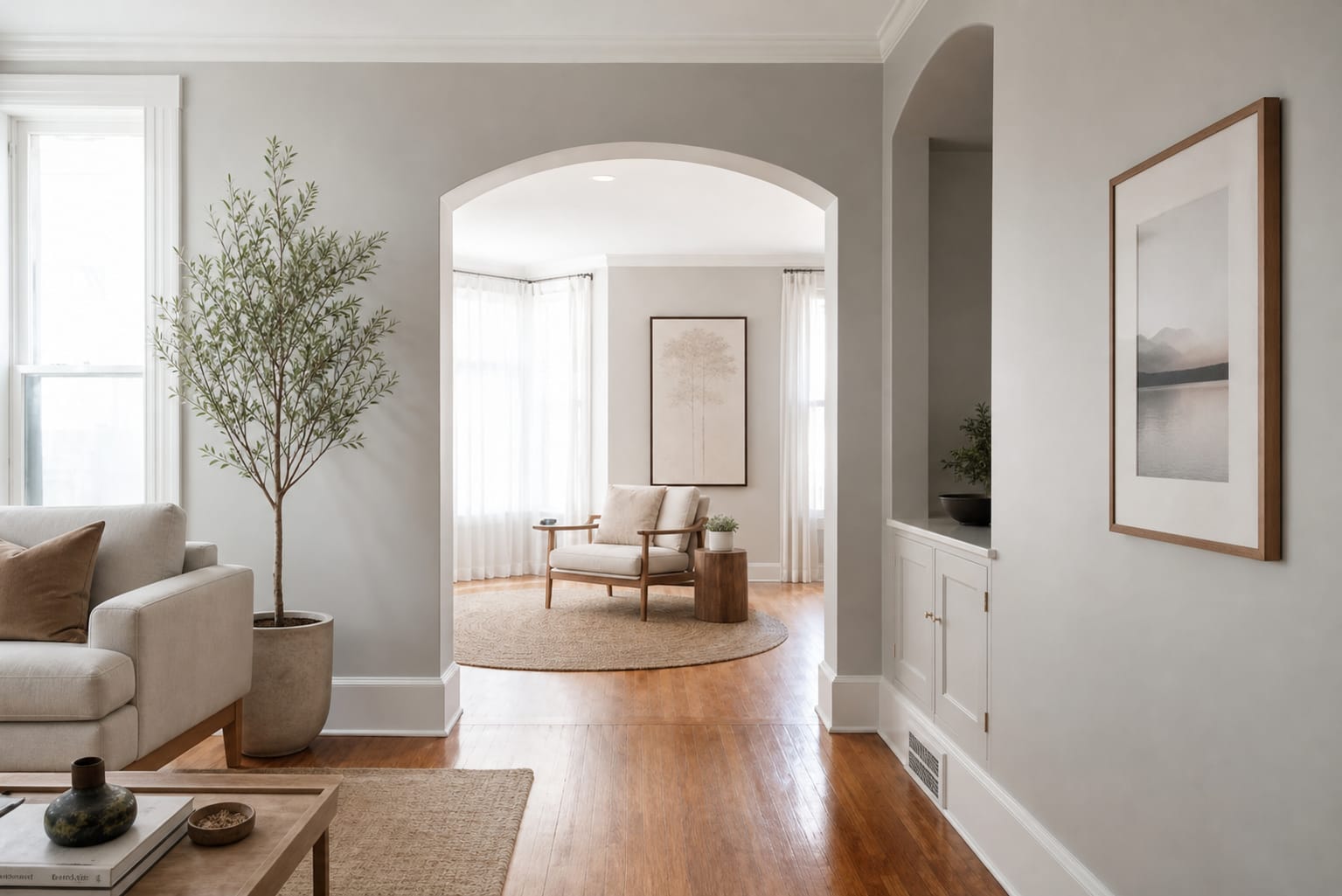
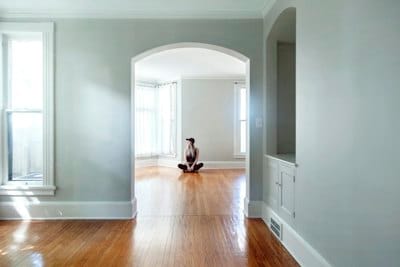
Key features of Japandi
- Clean lines and simple shapes, without excess ornament.
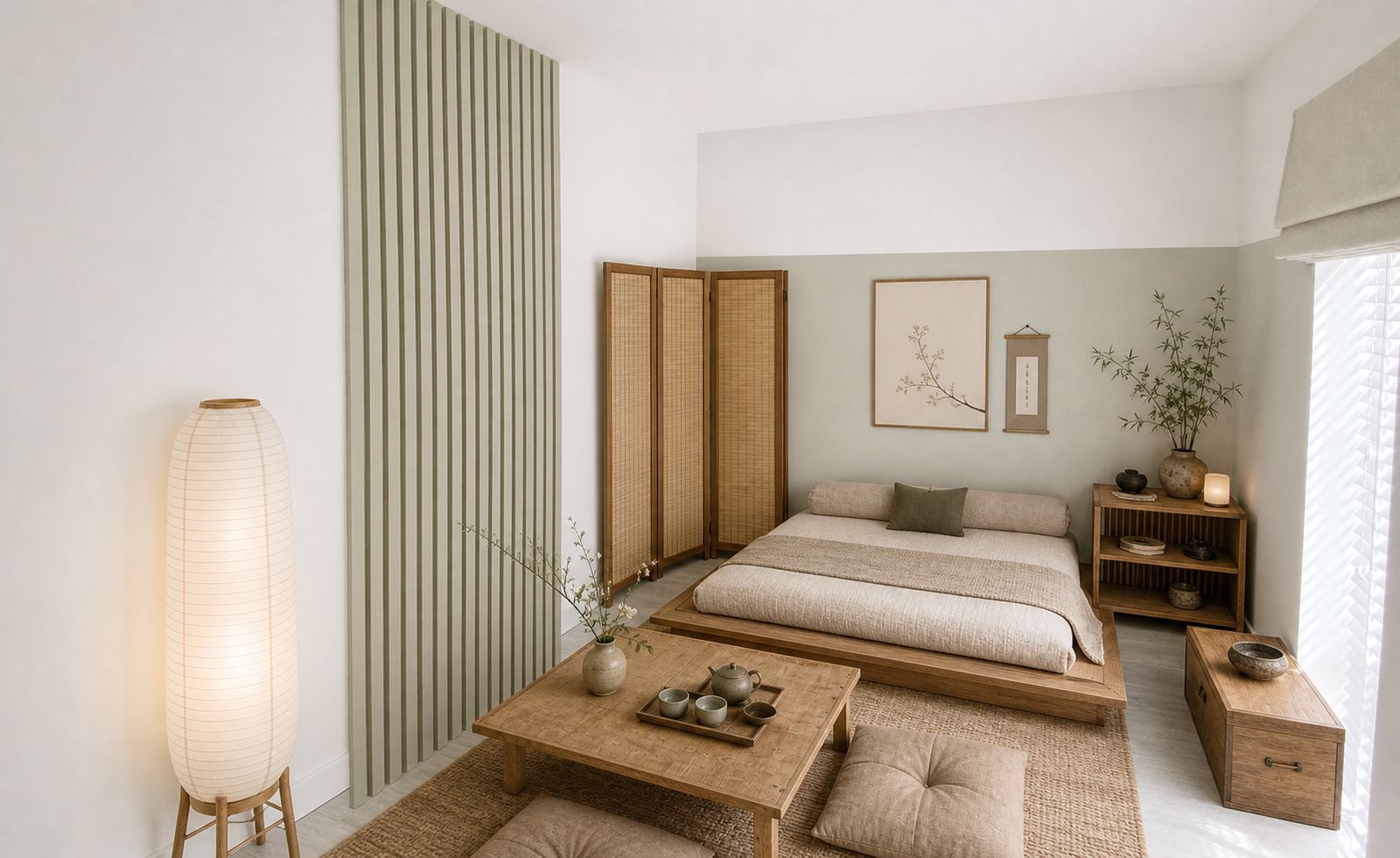
- Low furniture on legs, such as a low sofa, low coffee table and low bed frame.
- Natural materials: wood (oak, teak or darker woods), bamboo, rattan, linen, cotton, handmade ceramics.
- Empty space is valued: few items, each with a purpose.
- Closed storage keeps surfaces clear.
- Green plants as accents, such as monstera, bonsai or dried branches in a vase.
Japandi colour palette
Japandi uses warm neutrals with a few dark accents. The values below are approximate; match them to your paint brand's colour card.
Warm white
#F3EEE6
Main walls and ceiling
Greige
#CFC6B8
Walls, sofa or rug
Light wood
#C9A27A
Floor, tables, bed frame
Soft terracotta
#B9785A
Accent in ceramics or cushions
Sage green
#9AA58C
Accent wall or textiles
Charcoal
#3B3936
Dark accents: lamps, frames, table legs
How to apply Japandi at home
- Living room: a low sofa in a neutral colour, a wooden coffee table, a textured rug and one large plant.
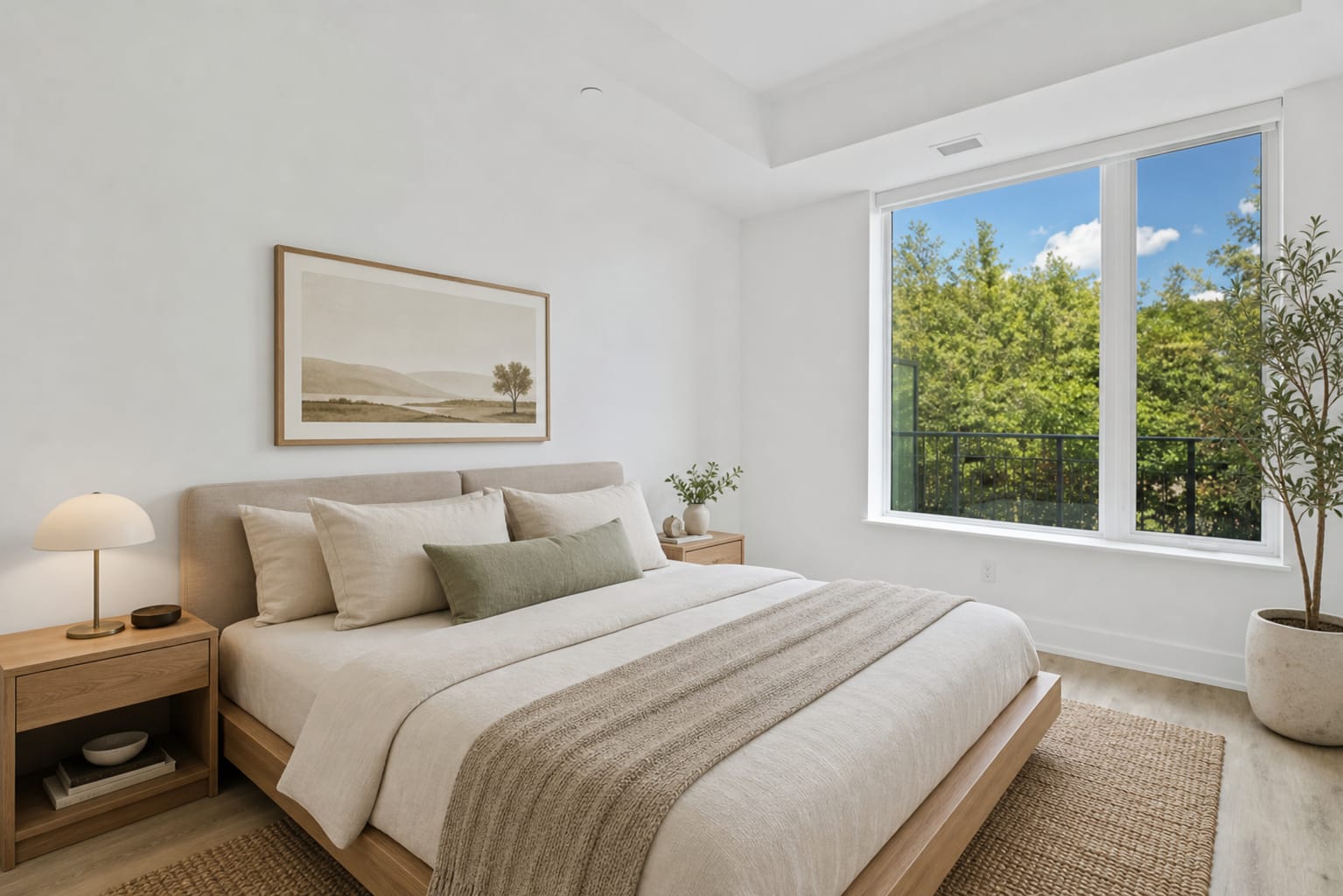
- Bedroom: a low wooden bed frame, linen bedding, a paper or fabric table lamp and plain walls.
- Use warm lighting (around 2700–3000K) and lamps with paper, rattan or fabric shades.
- Choose linen curtains or bamboo blinds to filter sunlight.
- Start by decluttering: Japandi is more about removing things than adding decoration.
Japandi vs minimalist vs Scandinavian
| Style | Colours | Materials | Feel |
|---|---|---|---|
| Japandi | Warm neutrals + dark accents | Wood, rattan, linen, ceramics | Calm, warm, grounded |
| Minimalist | White, grey, black | Smooth surfaces, little texture | Clean and open |
| Scandinavian | White, light wood, pastels | Light wood, wool, soft textiles | Bright and cosy |
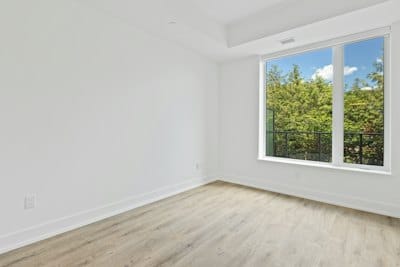
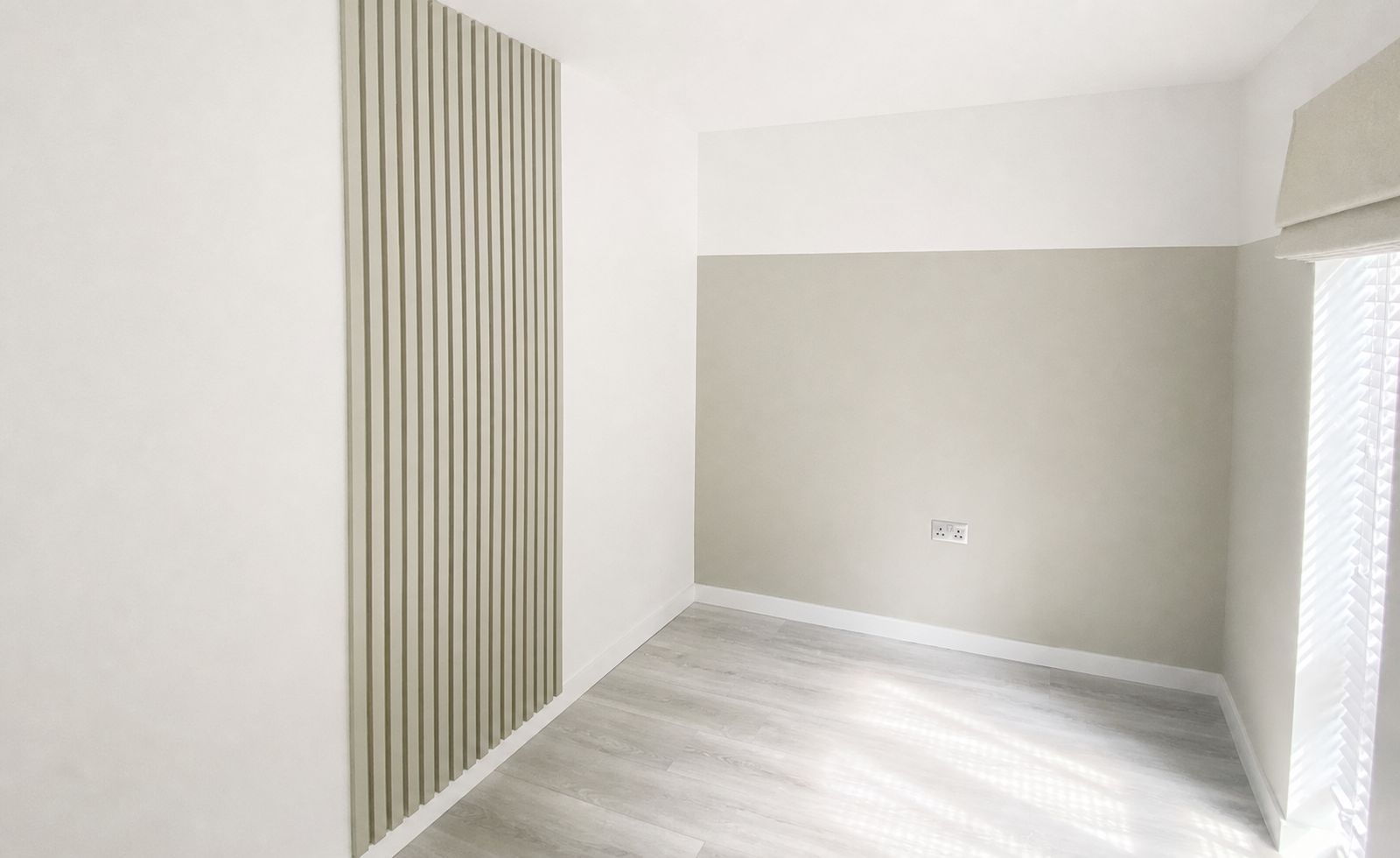
Japandi examples from Arch.AI
Frequently asked questions
What is Japandi style?
Japandi is an interior style that combines Japanese and Scandinavian design: simple shapes, natural materials, warm neutral colours and uncluttered rooms.
How is Japandi different from minimalist?
Both are simple, but Japandi is warmer, using plenty of wood, natural textures and earthy colours, while minimalist tends to be plainer with white, grey and black.
Does Japandi suit small homes?
Very much. Low furniture, few items and light colours make small rooms feel more spacious.
How do I try Japandi style on my room?
Upload a photo of your room to Arch.AI and choose the Japandi style. Each design uses 1 token; new accounts get free tokens to try it.