How to Decorate a Rental Without Losing Deposit
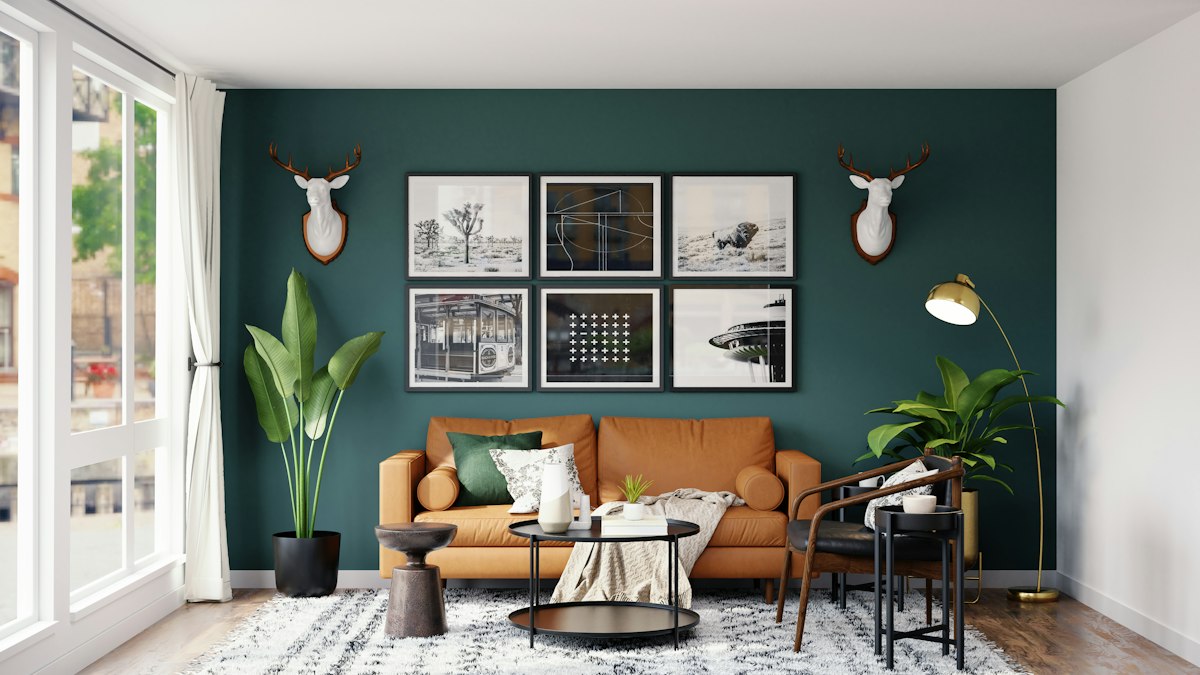
Learning how to decorate a rental without losing the deposit comes down to one principle: every change you make should be reversible. You can create a home that reflects your taste while keeping your landlord happy and your security deposit intact — you just need the right materials, methods, and upgrades. This guide covers renter-friendly decorating ideas that add real style without leaving permanent marks behind.
The short answer:
- Stick to reversible materials — removable wallpaper, adhesive strips, tension rods, freestanding furniture.
- Get written permission before paint, wallpaper, or hardware changes.
- Store every original fixture, knob, and bulb in a labeled box.
- Photograph the unit on move-in day and again after you restore it.
What Landlords Usually Allow in a Rental
Before you buy a single adhesive strip, read your lease. Most agreements spell out exactly what is and is not permitted, and the rules vary wildly from one property to the next. Some landlords allow paint as long as you return the walls to the original color; others prohibit any alteration beyond hanging a few pictures. Knowing your boundaries first saves you money, time, and arguments later.
Read your lease first
Look for clauses about alterations, wall hangings, painting, and move-out condition. If something is unclear, ask before you act. A quick email now can prevent a deduction later.
Ask for written permission
If you want to paint, hang wallpaper, or swap out a light fixture, request approval in writing — email is fine. A verbal "sure, go ahead" from a property manager is worth very little when a different person handles your move-out inspection. A short written exchange confirming what you may change, and what condition it must be returned in, protects you both.
Understand normal wear and tear
Landlords generally cannot charge you for ordinary wear and tear — small scuffs, minor carpet fading, or faint marks from furniture. What they can charge for is damage beyond normal use: large holes, torn wallpaper, paint in the wrong color, or broken fixtures. Understanding this distinction helps you judge which risks are worth taking.
Keep records of approvals and original finishes
Photograph the apartment on move-in day, including close-ups of walls, fixtures, and hardware. Save any approval emails in a folder. If you remove original cabinet knobs or a light fixture, label and store them so you can reinstall everything before you leave.
Best Damage-Free Decorating Ideas for Renters
Rental decor without damage starts with materials designed to come off cleanly. These are the workhorses of renter-friendly interior design — browse more renter-friendly design ideas if you want room-by-room inspiration.
Removable wallpaper and decals
Peel-and-stick wallpaper has improved dramatically in recent years. Quality brands adhere well but release without tearing paint when removed correctly. Test a small patch in an inconspicuous spot first, leave it for a week, then peel it back to see how your specific wall responds. Decals work well for a lighter touch — a subtle pattern behind a desk or a row of shapes in a child's room.
Damage-free hanging solutions
Adhesive strips and hooks are the backbone of temporary wall decor for renters. Match the product's weight rating to the item you're hanging — a large framed print needs a different solution than a lightweight poster. Clean the wall with rubbing alcohol before applying, press firmly for the full recommended time, and never overload a strip. For heavier pieces, consider a picture ledge or a freestanding easel instead.
Layer rugs, curtains, and textiles
Textiles do more for a rental than almost anything else, and they leave no trace. A large area rug covers dated carpet or cold tile. Curtains soften harsh windows and add color without a single hole. Throw blankets, cushion covers, and slipcovers let you change the entire mood of a room seasonally — and take it all with you when you move.
Choose freestanding decor over built-ins
Bookcases, console tables, bar carts, and freestanding wardrobes give you storage and style without touching the structure of the apartment. They also travel well, which matters if you expect to move again in a few years.
How to Make a Rental Feel Like Home
Personalizing a space is less about big renovations and more about deliberate choices. Here's how to personalize a rental apartment so it stops feeling like someone else's property.
Create focal points with furniture and lighting
Arrange your main seating around a single anchor — a rug, a coffee table, or a piece of art. When a room has one clear focal point, it reads as intentional rather than temporary. A well-placed floor lamp can do the same job as a ceiling fixture you're not allowed to change.
Use plants, mirrors, and accessories
Plants add life and color, and mirrors bounce light into dark corners while making small rooms feel larger. Group accessories in odd numbers on a tray or a stack of books to create a curated look rather than a scattered one.
Choose a consistent color palette
Pick two or three colors and repeat them across rooms through textiles, art, and small accessories. Consistency is what makes a rental look designed instead of improvised — and it's completely free of risk. If you're weighing options, our guide to choosing a wall color explains how undertones behave under rental lighting.
Style shelves, surfaces, and entryways
Lightweight decor is easy to swap and easy to pack. Style open shelving with books, ceramics, and framed prints. Give your entryway a small tray for keys, a mirror, and a hook rack that uses adhesive backing. These small zones create the feeling of a finished home.
If you're unsure how a color palette or layout will actually look, preview it before committing — Arch.AI's AI room design tool lets you test arrangements and finishes digitally first.
Renter-Friendly Wall Upgrades
Walls are where most deposit disputes begin, so treat them with care.
Try peel-and-stick wallpaper on one wall
A single accent wall delivers impact without the commitment of a whole room. Choose a wall that's relatively smooth and painted with a washable finish — textured or freshly painted walls tend to release less cleanly.
Use framed wallpaper or removable panels
If you love a bold pattern but worry about removal, mount the wallpaper inside a large frame or onto a lightweight panel and hang it as art. You get the pattern, and the wall stays untouched.
Display art on shelves or lean large prints
Picture ledges and floating shelves — installed only if permitted — let you rotate art freely. Alternatively, lean oversized prints against the wall on the floor or on a console table for a relaxed, gallery-like look.
Avoid drilling unless the lease clearly allows it
Small nails leave pinholes that are usually easy to fill, but a landlord may still charge for patching if it isn't done well. If you do drill, keep the holes minimal, save the anchors, and plan to patch and touch up before move-out.
Low-Risk Kitchen and Bathroom Updates
These two rooms often have the most dated finishes and the most potential for quick, reversible upgrades.
Swap cabinet hardware
Replacing cabinet knobs and pulls is one of the highest-impact, lowest-cost changes you can make. Store the originals in a labeled bag and reinstall them before your final walkthrough.
Use adhesive backsplash panels
Peel-and-stick tile and backsplash panels transform a kitchen or bathroom wall in an afternoon. Clean the surface thoroughly first, and avoid areas directly behind a stovetop where heat and grease can loosen the adhesive.
Add tension rods and removable organizers
Tension rods need no drilling and work in cabinets, under sinks, and inside closets. Over-the-door organizers, adhesive hooks, and stackable bins add function without a single fastener.
Keep all original fixtures for move-out
Showerheads, faucet aerators, and light fixtures are easy to swap — and just as easy to restore. Label everything and store it together so nothing goes missing.
Lighting and Window Treatments That Add Style
Lighting is one of the most underrated tools in rental-friendly interior design.
Replace bulbs with warmer tones
Swapping harsh cool-white bulbs for warm-white ones instantly makes a space feel cozier. Keep the original bulbs and put them back before you leave.
Layer floor lamps and table lamps
Three light sources at different heights create depth and warmth that a single overhead fixture can't match. Plug-in lamps require no electrical work and move with you.
Install curtain rods only if permitted
If your lease allows it, a proper curtain rod looks more polished than adhesive alternatives. If not, tension rods or adhesive rod brackets can hold lightweight curtains without holes.
Choose curtains that soften the room
Floor-length curtains in a neutral or coordinated color make windows look larger and rooms feel finished. Sheer layers add privacy while keeping daylight.
How to Protect Your Deposit When Moving Out
The final week matters as much as the decorating itself. A careful move-out is what actually gets your money back.
Repair pinholes, scuffs, and adhesive residue
Fill small nail holes with lightweight spackle, sand lightly, and touch up with matching paint if you have it. Remove adhesive residue with a gentle solvent recommended by the strip manufacturer — rubbing alcohol or warm soapy water usually works.
Restore original fixtures and hardware
Reinstall every original knob, hook, bulb, and fixture. A missing original part can cost more to replace than the item was worth.
Document the apartment condition
Take dated photos of every room after you've cleaned and restored it. Compare them with your move-in photos to confirm the space matches its original condition.
Follow the move-out checklist in your lease
Most leases include a specific cleaning and restoration list. Follow it exactly, and schedule a walkthrough if your landlord offers one. Raising small questions with your property manager before move-out resolves most disputes early.
Move-Out Deposit Checklist
- Remove all temporary decor, adhesive strips, and hooks.
- Patch pinholes and small scuffs; touch up paint if you have matching color.
- Clean adhesive residue from walls, doors, and cabinets.
- Reinstall original cabinet knobs, light bulbs, showerheads, and fixtures.
- Clean the unit according to your lease, including appliances and floors.
- Take dated photos of every room after restoration.
- Compare move-in and move-out photos before your walkthrough.
- Return keys and complete any required check-out form.
FAQ
Can you decorate a rental without losing your deposit?
Yes, if you use reversible decor, avoid permanent damage, and return the space to its original condition when you move out.
What are the safest renter-friendly decor ideas?
Removable wallpaper, adhesive hooks, freestanding furniture, rugs, curtains, and plug-in lighting are among the safest options.
Do you need landlord permission to decorate a rental?
You should get written permission before painting, wallpapering, changing hardware, or making any change that could leave marks or holes.
How do you hang pictures in a rental without damaging walls?
Use damage-free hanging strips or hooks rated for the item's weight, and avoid overloading them.
What should you do before moving out to get your deposit back?
Remove all temporary decor, patch small holes if needed, clean adhesive residue, and reinstall any original fixtures or hardware.
Start With a Plan, Not a Purchase
The most successful reversible home decor ideas begin with a clear plan. Mapping out your palette, furniture layout, and wall treatments before you buy anything prevents costly mistakes and impulse purchases you'll have to undo later. Browse more rental and interior design guides for inspiration, or explore our design services if you'd like help shaping a full room concept.
Ready to see your rental transformed before you touch a thing? Try Arch.AI free to visualize renter-friendly layouts, colors, and finishes in minutes — then decorate with confidence, knowing every choice is one you can undo.
From ideas to business use
Furniture retailers & interior studios
Compare a room photo, product references and an existing AI result. Check shape, colour and measurements before recommending products.
See the example and workflow →Tile showrooms
Discuss flooring choices using a visual concept. Use physical samples and room measurements for the final decision.
See the example and workflow →Property agents & developers
Explore staging ideas for listings. Show the original photo and disclose the AI concept.
See the example and workflow →Ready to design your space?
Try AI-powered room design and transform your photo into a beautifully staged room in seconds.
Try It Now