Scandinavian vs Minimalist Interior Design Guide
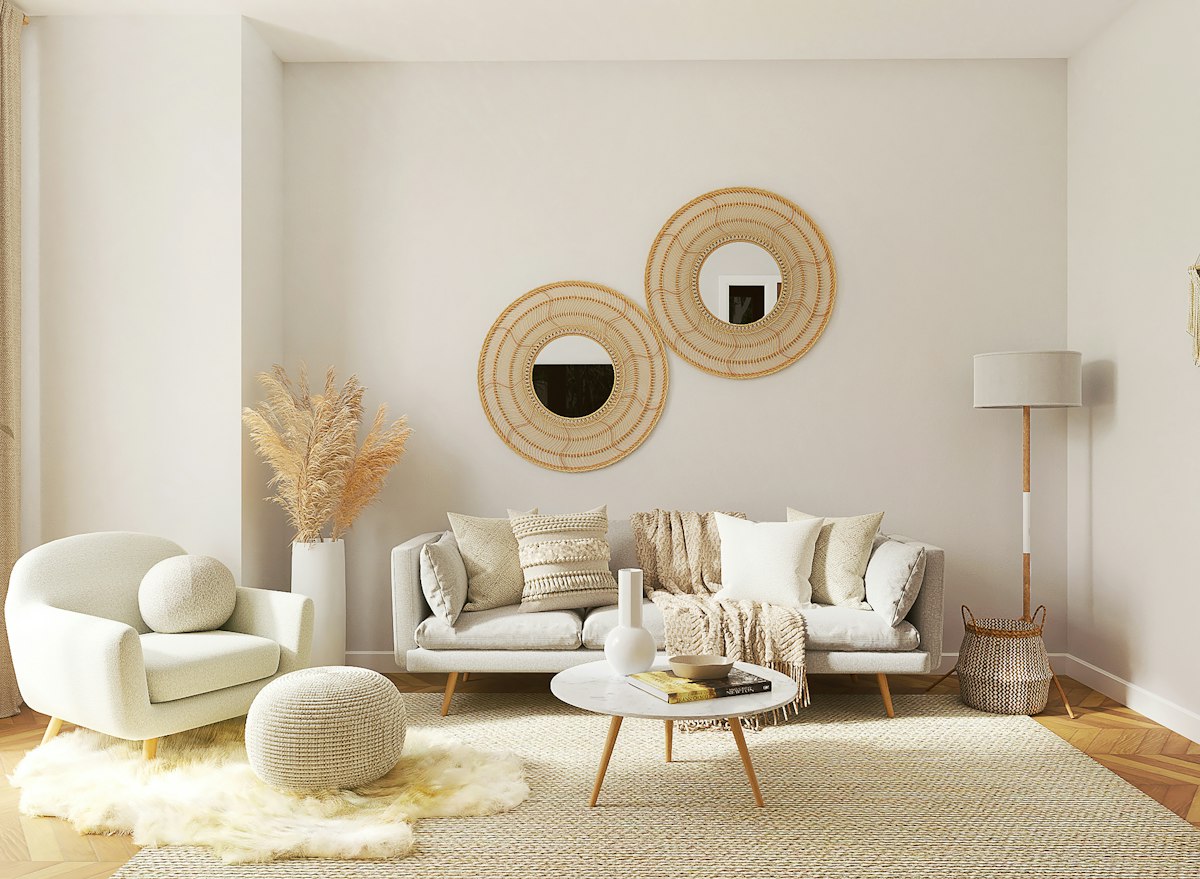
Choosing between Scandinavian vs minimalist interior design is one of the most common decisions homeowners, renovators and real estate professionals face when they want a clean, modern look without losing comfort. Both styles share a love of simplicity, neutral colour and uncluttered space — yet they deliver very different moods: one warm and lived-in, the other cool and precisely restrained.
Quick answer: Scandinavian design is warmer and more textured, built on pale wood, natural textiles and layered lighting. Minimalist design is more stripped back, using monochrome palettes, hard smooth surfaces and generous negative space. Choose Scandinavian for cosiness, minimalist for calm architectural clarity — or combine the two as a warm minimalist scheme.
Key Takeaways
- Scandinavian: warm, textured and cosy; pale wood, natural textiles and layered lighting.
- Minimalist: cool, restrained and architectural; monochrome, smooth surfaces and negative space.
- Best for staging: minimalist for condos and small spaces, Scandinavian for family homes, and a hybrid for luxury listings.
- Blend them: start with a minimalist foundation, then add Scandinavian warmth through wood, textiles and light.
Scandinavian vs Minimalist at a Glance
| Element | Scandinavian | Minimalist |
|---|---|---|
| Mood | Warm, cosy and inviting | Calm, cool and composed |
| Colour palette | Warm whites, greige, muted blue and sage | White, black, cool grey and one accent |
| Materials | Light oak, linen, wool, rattan and ceramic | Metal, glass, concrete and lacquer |
| Texture | Layered and tactile | Smooth and deliberately suppressed |
| Furniture | Rounded, low, organic and tapered legs | Angular, monolithic and sculptural |
| Lighting | Layered lamps, warm 2700K bulbs and candles | Architectural, directional and cooler tones |
| Decor density | Moderate: books, plants and textiles | Very low: one or two objects per surface |
| Best for | Family homes, dark rooms and cosy rentals | Small condos, architectural homes and gallery-like spaces |
What Is Scandinavian Interior Design?
Scandinavian interior design grew out of Nordic countries where daylight is scarce for much of the year. The result is a style built around maximising light, prioritising function and creating rooms that feel genuinely cosy rather than cold. It is simple, but it is never sterile.
Light, Function and Hygge
The guiding principle is hygge — a Danish concept roughly translating to comfort, warmth and contentment. In practice it shows up as soft throws, candlelight, layered textiles and furniture you actually want to sit in. Nothing is decorative for its own sake; every object earns its place by being useful or by making the room feel better.
Natural Materials and Pale Woods
Scandinavian interiors lean heavily on natural materials: light oak, ash and birch; linen and cotton; wool, sheepskin and leather. Pale wood is the signature because it reflects light and keeps a room feeling airy even on grey days. Textiles add softness and texture, which is what separates Scandinavian style from a purely minimal scheme.
Warmth Without Clutter
A Scandinavian room is tidy, but it is not empty. A ceramic vase, a woven basket, a stack of books or a textured rug creates the sense that a real person lives there. That warmth is the single most important thing to remember when comparing Scandinavian style vs minimalist style.
What Is Minimalist Interior Design?
Minimalist interior design is driven by reduction. It asks what can be removed rather than what can be added, and it treats empty space as a design element in its own right. The goal is calm, clarity and visual quiet.
Essential, Uncluttered and Deliberate
In a minimalist room, every piece is intentional. There are no decorative extras, no crowded surfaces and no competing focal points. Storage is often built in or hidden so the visible environment stays clean. The effect is architectural and composed.
Monochrome Palettes and Clean Geometry
Minimalism favours stark neutrals — pure white, cool grey, black and sometimes a single restrained accent. Forms are geometric and precise: sharp edges, flat planes, low profiles and repeated shapes. Materials tend to be smooth and industrial, such as metal, glass, polished concrete and lacquered surfaces.
Negative Space and Restraint
Where Scandinavian design fills a room with texture, minimalism uses negative space to give objects room to breathe. A single chair in a large, empty corner is a deliberate composition, not an oversight. This restraint is powerful, but it can read as impersonal if it is not balanced carefully.
Key Differences Between Scandinavian and Minimalist Design
At a glance the two styles look similar — light walls, simple furniture and no clutter. Up close, they diverge on mood, material and colour. Here is how to tell them apart.
Mood and Atmosphere
Scandinavian design feels warm, soft and inviting. It welcomes you in and encourages you to linger. Minimalist design feels calm, cool and composed. It is more about clarity and order than comfort, and it can feel almost gallery-like when done strictly.
Materials, Textures and Finishes
Scandinavian rooms layer natural, tactile materials: matte wood, chunky knit wool, linen, rattan and unglazed ceramics. Minimalist rooms favour smooth, hard, reflective surfaces: brushed metal, glass, concrete and high-gloss finishes. Texture is central to one style and largely suppressed in the other.
Colour Palettes and Furniture Shapes
Scandinavian palettes mix warm whites with muted greys, soft beiges, dusty blues, sage greens and pale wood tones. Furniture is often rounded, low and organic in shape, with tapered legs and visible grain. Minimalist palettes are tighter — white, black and grey — and furniture is more angular, monolithic and sculptural, with hidden hardware and seamless surfaces.
Colour and Lighting: The Fastest Way to Change the Mood
Colour and light do more to define these styles than almost anything else, and they are the quickest way to move a room from one camp to the other. For a deeper look at neutral options, browse our wall colour ideas.
Scandinavian Colour and Light
Scandinavian interiors use warm whites and muted neutrals — off-white, oatmeal, greige and soft taupe — paired with pale timber. Lighting is layered and generous: multiple low-level lamps, warm bulbs around 2700K, candles, and sheer curtains that diffuse daylight rather than block it. The aim is a soft, even glow with no harsh shadows.
Minimalist Colour and Light
Minimalism often uses stark neutrals with stronger contrast: crisp white walls against black frames, charcoal or cool grey. Lighting tends to be architectural — recessed spots, linear fixtures and dramatic directional light that highlights form and shadow. Cooler colour temperatures are common because they reinforce the crisp, technical feel.
How Lighting Changes the Feel
Swap warm layered lamps into a minimalist room and it instantly softens. Swap cool directional lighting into a Scandinavian room and it starts to feel clinical. If you are testing a direction for your own space, this is a useful experiment — and you can preview the result in minutes with the AI room design tool before committing to fixtures or paint.
Furniture, Materials and Decor Choices
Material choices are where the two styles become most obvious in a finished room.
Common Scandinavian Materials
- Light woods: oak, ash, birch and pale walnut
- Natural textiles: linen, cotton, wool, sheepskin and jute
- Soft finishes: matte paint, oiled wood, brushed brass and ceramic
- Organic shapes: rounded tables, curved chairs and woven lighting
Common Minimalist Materials
- Metal: steel, chrome and matte black aluminium
- Glass and mirrored surfaces that reflect and disappear
- Concrete, stone and microcement for a raw architectural edge
- Smooth, seamless finishes with minimal visible joinery
How Decor Density Affects Simplicity
Scandinavian design tolerates a moderate amount of decor — a few books, a plant, a textured cushion or a candle holder — as long as it stays functional and organised. Minimalism keeps decor density very low, often limiting a surface to one or two objects. Both are simple, but Scandinavian simplicity is layered while minimalist simplicity is stripped. The practical test: if removing an object would make the room feel colder, you are probably looking at Scandinavian design. For more room-level inspiration, see our interior design ideas.
Which Style Works Better for Home Staging?
For real estate, the right answer depends on the property, the buyer profile and what the listing needs to communicate.
Why Minimalist Staging Shows Space Clearly
Minimalist home staging works because it removes visual noise. Buyers can read the floor plan, the proportions and the flow between rooms without distraction. Fewer objects mean fewer objections, and clean neutral rooms photograph exceptionally well for listing platforms.
Why Scandinavian Staging Feels More Inviting
Scandinavian home staging adds warmth that helps buyers imagine living in the property. A soft throw, a wool rug, a plant and warm lighting make a space feel like a home rather than a showroom. This emotional pull is powerful in slower markets or in properties that feel cold, dark or oddly shaped.
Matching Style to Property Type
- Condos and apartments: minimalist staging maximises the perception of space and light, usually the top buyer priority.
- Family homes: Scandinavian staging tends to perform better because it signals comfort, practicality and everyday livability.
- Luxury listings: a hybrid works best — minimalist restraint for architecture and flow, Scandinavian warmth in textiles and lighting to avoid a sterile feel.
If you are staging multiple properties, it helps to test both directions visually first. You can compare warm and pared-back versions of the same room through our virtual staging services before ordering a single piece of furniture.
How to Blend Scandinavian and Minimalist Design
You do not have to choose. Scandinavian minimalist interior design is one of the most versatile and marketable approaches available because it keeps the discipline of minimalism and the comfort of Nordic style.
Start With a Minimalist Foundation
Keep the bones clean: neutral walls, uncluttered surfaces, considered furniture placement and built-in or hidden storage. This gives you the spatial clarity that makes rooms feel larger and calmer.
Add Scandinavian Warmth
Then soften it. Introduce pale wood, a textured rug, linen curtains, wool cushions and a few natural objects. Layer lighting with floor lamps and table lamps instead of relying on a single overhead fixture. These additions cost little but transform how the room feels.
Keep the Palette Neutral but Livable
Stay within warm whites, soft greys and muted earth tones, and use one or two gentle accents rather than bold colour. The result is a warm minimalist living room that reads as modern and neutral in photos but comfortable in person — exactly what most buyers and homeowners want.
Room-by-Room Styling Ideas
Living Room
Anchor the space with a low-profile sofa in a natural fabric, add a light oak coffee table and layer a wool or jute rug underneath. Keep surfaces mostly clear, then add one plant, one stack of books and two textured cushions. Use three light sources at different heights for a warm, even glow.
Bedroom
Aim for calm, clutter-free relaxation. Choose a simple upholstered or wood bed frame, white or oatmeal bedding and a single piece of art above the headboard. Bedside tables should hold one lamp and one small object each. Blackout curtains plus a sheer layer give you both rest and softness.
Kitchen and Entryway
In the kitchen, clear countertops almost completely and keep only a kettle, a board and one bowl of fruit. In the entryway, use a slim bench, wall hooks, a shallow tray for keys and a woven basket for shoes. Both spaces benefit from a mirror to bounce light and a warm bulb to make the transition into the home feel welcoming.
How to Choose: A Simple Decision Framework
Use these questions to decide which direction fits your space and goals.
- Do you want the room to feel cosy or calm? Cosy points to Scandinavian; calm points to minimalist.
- Is the room short on natural light? Scandinavian layering and pale wood help brighten dark rooms.
- Are you staging to sell? Minimalist for small condos, Scandinavian for family homes and a blend for luxury.
- Do you have a lot of belongings? Minimalism demands hidden storage; Scandinavian tolerates more visible, functional decor.
Common Mistakes to Avoid
- Confusing minimalism with emptiness: a minimalist room still needs warmth and function; it should not feel cold or unfinished.
- Over-cluttering Scandinavian style: keep decor functional and organised; too many objects kills the simplicity.
- Ignoring lighting: the wrong colour temperature can make either style feel clinical or gloomy.
- Mixing without a plan: blend deliberately — minimalist bones, Scandinavian layers — rather than randomly combining pieces.
Frequently Asked Questions
What is the main difference between Scandinavian and minimalist interior design?
Scandinavian design is warmer, softer and more textured, while minimalist design is more stripped down, monochrome and visually restrained. The biggest single difference is texture: Scandinavian rooms layer it, minimalist rooms suppress it.
Is Scandinavian design a type of minimalism?
It overlaps with minimalism, but it is not the same. Scandinavian interiors use simplicity as a base and then add warmth through natural materials, textiles and cosy lighting.
Which style is better for selling a home?
Minimalist staging often works best for showing space and layout clearly, while Scandinavian staging can make a property feel more welcoming and lived in. For luxury listings, a blend of the two usually performs best.
Can Scandinavian and minimalist styles be combined?
Yes. A common approach is to use minimalist clean lines and neutral walls, then add Scandinavian warmth with wood, textiles and natural light. This is often called Scandinavian minimalist or warm minimalist design.
What should I focus on first when restyling a room?
Start with the palette and lighting, since those two elements set the mood more than any single piece of furniture. Once the base is right, materials and decor fall into place far more easily.
See Both Styles in Your Own Space
Whether you lean toward cosy Scandinavian warmth or crisp minimalist restraint, the fastest way to decide is to see the options side by side in your actual room. With Arch.AI you can generate warm minimalist and Scandinavian-style variations of your space in minutes, then refine the palette, furniture and lighting until it feels right. Explore more styling and staging guidance on our blog.
From ideas to business use
Furniture retailers & interior studios
Compare a room photo, product references and an existing AI result. Check shape, colour and measurements before recommending products.
See the example and workflow →Tile showrooms
Discuss flooring choices using a visual concept. Use physical samples and room measurements for the final decision.
See the example and workflow →Property agents & developers
Explore staging ideas for listings. Show the original photo and disclose the AI concept.
See the example and workflow →Ready to design your space?
Try AI-powered room design and transform your photo into a beautifully staged room in seconds.
Try It Now